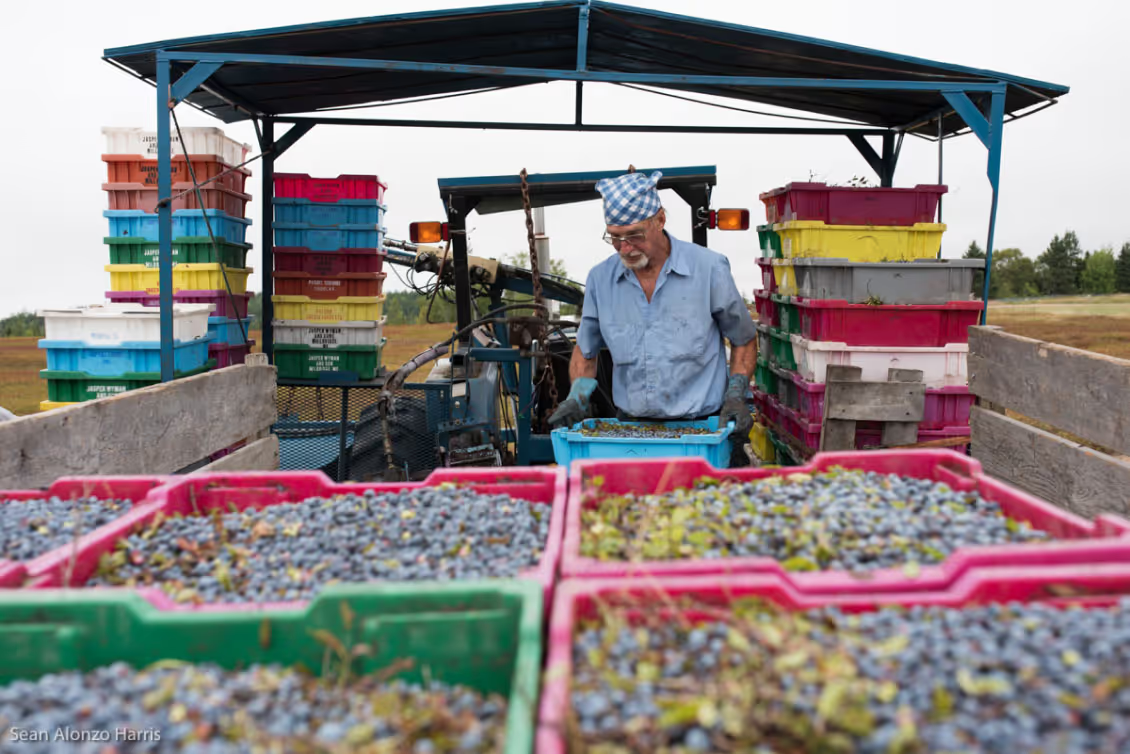
If we want to keep Maine’s working lands working, we must address farmland protection and farm business viability as two sides of the same coin, conserving open space and ensuring that farmers today and in the next generation can afford to farm, build resilient businesses, and create jobs and economic activity that benefit all Mainers. Learn about the four strategic focus areas and priorities that will guide our work over the next three to five years.
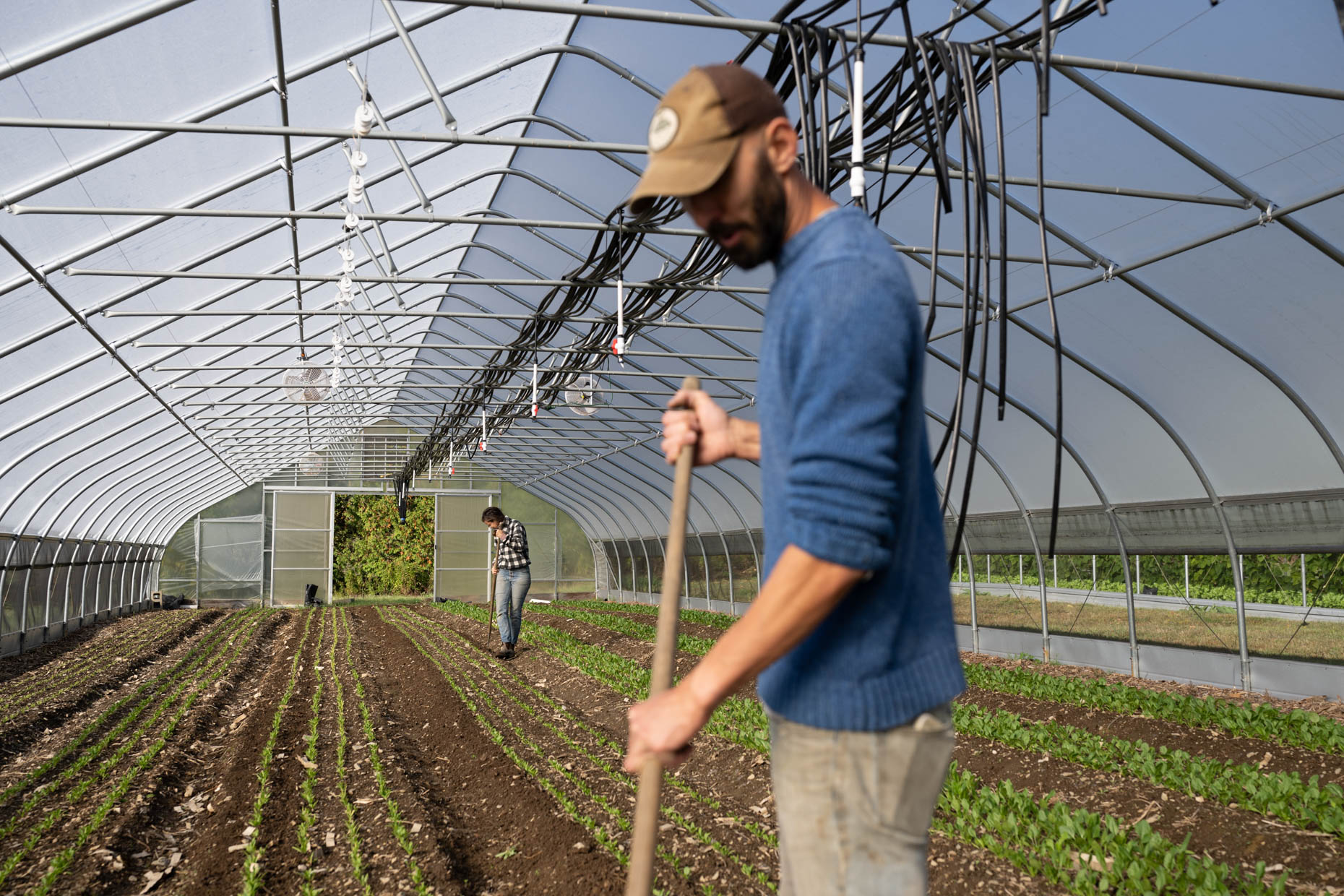
When we think of essential public infrastructure, we might picture roads, bridges, or broadband cables. But weathered barns, rolling hayfields, and rows of vegetables bright against dark soil are more than a beloved part of Maine’s identity: farms and farmland are critical infrastructure that secure food for our region, create economic value, and steward natural resources. Farms sustain communities in other essential ways, too, holding familial, cultural, and/or spiritual significance to many of us, including Indigenous and immigrant communities. Yet, beneath this essential infrastructure is an urgent truth: Maine’s farmland and the people who steward it are at risk.
Maine’s 1.2+ million acres of farmland (the most of any New England state) anchor our local and regional food system. But that farmland is a finite resource, and each year, more of it is disappearing. From 2012-2022 alone, nearly 230,000 acres of farmland fell out of production – roughly equivalent to the size of Sagadahoc County. If our fields disappear, so does New England’s chance to meet ambitious regional food security goals, like producing 30 percent of its food supply locally by 2030. The math is sobering: only 4.6 percent of all Maine farmland is permanently protected, and that number shrinks to about 3.5 percent if you just look at the open agricultural land that can be used for production.
Combine the accelerating loss of productive acreage with an aging farming population, rising land costs, and the increasing challenges of turning a profit, and you’ll see why farmers are feeling the squeeze. Between 2017-2022, the number of Maine farmers over age 65 increased by 18 percent while those under age 44 ticked up by less than 2 percent. Encouragingly, more than a third of Maine farmers are beginning producers, but they face enormous obstacles. Land access is consistently the top challenge, especially for young farmers and farmers from historically excluded communities. In Maine, the average farmland market value of land and buildings per acre spiked by 44 percent between 2017-2022, while the average production costs per farm rose by 24 percent. As farmers face increasingly severe and unpredictable weather, losses and adaptation expenses further impact their bottom line. With all of these factors at play, it’s not surprising – though no less concerning – that Maine lost nearly 600 farms over that five-year period.
As you’ll see below, the strategic goals and priorities that will guide Maine Farmland Trust’s work over the next three to five years are in direct response to these urgent and interconnected challenges. If we want to keep Maine’s working lands working, we must address farmland protection and farm business viability as two sides of the same coin, conserving open space and ensuring that farmers today and in the next generation can afford to farm, build resilient businesses, and create jobs and economic activity that benefit all Mainers. As all of these data points show us, a lot can change in five years – and it’s up to all of us to decide which direction we trend. We hope you’ll join us in growing the future we know is possible: a vibrant agricultural landscape where farms and communities thrive.
Stacy Brenner
President, Maine Farmland Trust
January 2026
Developed with input from farmers, supporters, and partners, the next three to five years of our work at Maine Farmland Trust will be guided by four strategic focus areas, leveraging our organizational strengths to respond to the urgent and interconnected challenges Maine farmers are facing:
Our Vision: We believe farmland and farmers are fundamental to Maine’s future. We envision a vibrant agricultural landscape where farms feed our economy, steward our natural resources, and nourish our communities.
Our Mission: Maine Farmland Trust is growing a robust future for farming in Maine by protecting our finite farmland, supporting farmers to keep land in production, and advocating for the conditions farms and farmers need to thrive.
At Maine Farmland Trust, we value:
Responsiveness: We adapt to shifting conditions and emerging challenges and seek out feedback from farmers, supporters, and our communities to continuously learn and strengthen our organization’s impact through creative, forward-thinking solutions.
Authenticity: We focus on being an honest, reliable partner to each other, the farmers we work with, and our community - honoring trust and integrity.
Equity: We advance fairness and equal opportunity in our programs as well as our broader community and devote resources to support these principles.
Durability: We act in ways that are informed by long-term thinking, striving to create a lasting impact that serves generations of farmers in Maine.
Interconnectedness: We listen, learn, and act in relationship with others, recognizing that we are strongest at points of connection and that our community is sustained through collaboration, cooperation, trust, and respect.
We will ensure Maine’s finite farmland is protected for the future and remains in active production.
Priorities:
Protect farmland using agricultural easements, as well as new tools and partnerships to keep farmland from being developed
Prioritize working with active farms that have high-quality agricultural soils and/or are engaged in commercial or cultural distribution of harvested goods
Support farmers with stewardship and land management decisions for the long-term resiliency of the land and farm
Provide farmland access and succession planning to support farmers with farm business and land transfers
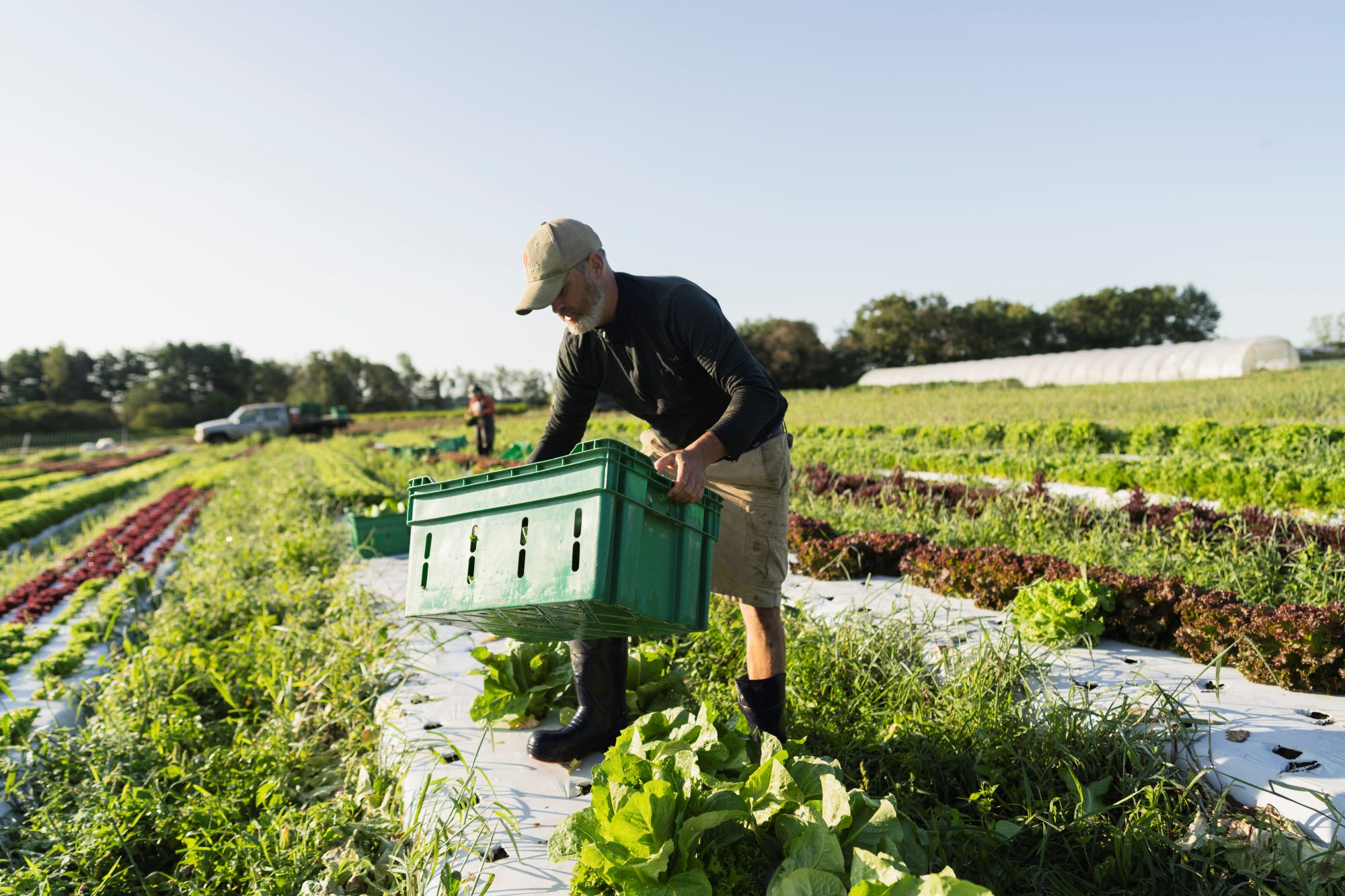
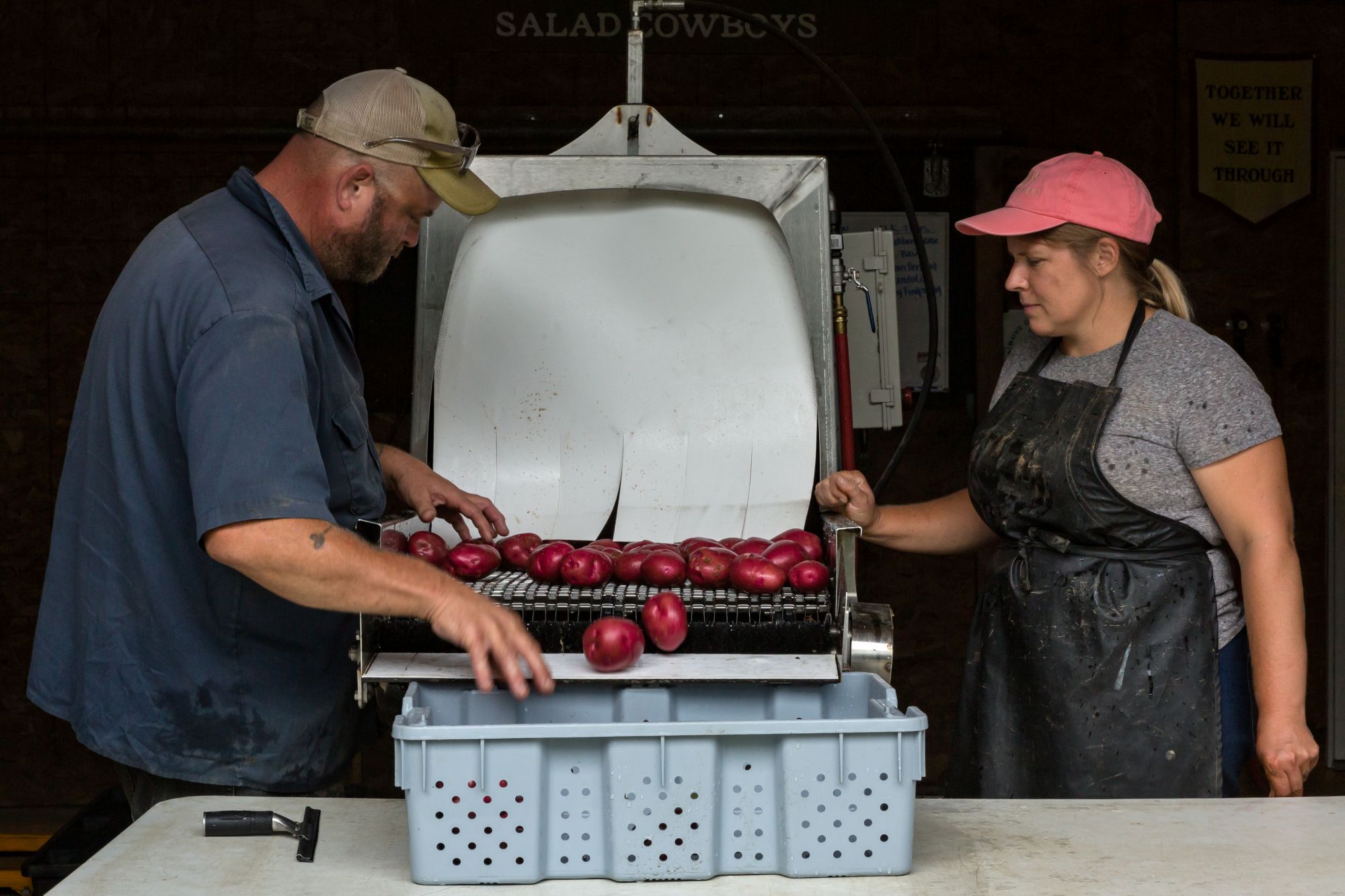
We will support the viability and resilience of farmers and their farm businesses to strengthen Maine’s food and farm economy and feed our communities.
Priorities:
Support farm businesses in navigating and adapting to change to foster resilience
Listen to and support the challenges, needs, and goals of farmers and land stewards, and incorporate their feedback into our programs
Provide tools and support so more farmers can access the land they need to grow their business and/or provide for the needs of their community
Advance farm viability through farm business planning and farm succession planning
Retain and improve the quality of Maine’s agricultural land by supporting farmers with resources to steward and/or grow the resilience of their farm’s soils, landscape, and infrastructure
We will cultivate broad public and political support to resource and grow power for Maine farmers and farms.
Priorities:
Respond to systemic threats to farmland and farming and work to advance political support for farms at all levels: federal, state, and municipal
Build broad public support for farms and farmland through outreach
Engage and grow relationships with and between MFT’s network of 500+ farmers
Uplift diverse farmer voices and amplify the stories of Maine farms to drive public understanding and action
We will ensure MFT has the resources needed to be a strong, adaptive, and impactful organization.
Priorities: Expand and diversify funding streams to reduce reliance on any single source
Build reserves and endowment for long-term stability, including stewardship
Pursue mission-aligned investments and farmland capital strategies that generate both impact and financial return and/or advance equity goals
Invest in staff wellbeing, leadership development, and organizational systems to ensure MFT remains resilient and adaptive
Establish and deepen collaborative partnerships to amplify our impact together on a local, regional, and national level
Incorporate diverse perspectives and build partnerships that increase and facilitate equitable access to our programs